
Yule Log Woes
WOOD FIREPLACES AND INDOOR AIR QUALITY
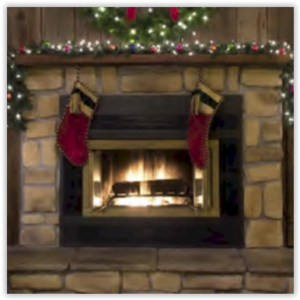 ‘Tis the season for chestnuts roasting by the open fire, yule logs burning bright, and fireplaces of all sorts. When used properly, a wood-burning fireplace can reduce the cost of your heating bill and create a nice ambience during the holidays. However, burning wood can have a negative impact on indoor air quality.
It’s important to remember that smoke creates particle pollution, worsening asthma and exacerbating allergic conditions. Wood smoke is made up of a mixture of gases, inducing carbon dioxide, carbon monoxide, and nitrogen dioxide, in addition to other particles coming from the burning organic matter.
Without proper ventilation, wood smoke can irritate eyes and sinuses, cause a tightness in the chest, and lead to coughing and trouble breathing. Those with asthma or allergies are not the only ones at risk. Children, seniors, and individuals with pre-existing heart conditions are also more likely to suffer from the negative effects associated with wood smoke. Extended exposure to wood smoke leads to an increased risk for developing asthma.
This isn’t to say you should shun wood-burning stoves and fireplaces entirely. When going to warm your holiday hearth, just keep these safety rules in mind:
- Wood-burning stoves or fireplaces should be EPA certified and professionally installed, as to emit less pollution.
- Schedule regular maintenance on your wood stove or fireplace. Have chimneys and vents inspected at least once a year.
- Use wood alternatives — such as EcoBricks — to reduce emissions.
- If burning real wood, select seasoned hardwoods — elm, maple, oak — which deposit less creosote in chimneys than soft woods like cedar, pine, or fir.
- NEVER burn scrap wood or wood that has been stained, painted, or treated in any way. Burning these could release toxic pollutants, like lead or arsenic, into the air.
- Install carbon monoxide detectors.
Whether your wood-burning stove or fireplace is a holiday tradition or a necessity for getting through cool winter months, it can be a great benefit if used carefully. Remember these rules and have a warm — and safe — winter!